Industrial Scrap Recycling in Dandenong: How Manufacturers and Demolition Firms Can Reduce Waste Costs in 2026
Industrial scrap recycling is a high-cost and compliance challenge for manufacturers and demolition firms in the Dandenong area. This article explains the practical steps businesses can take to reduce waste costs in 2026.
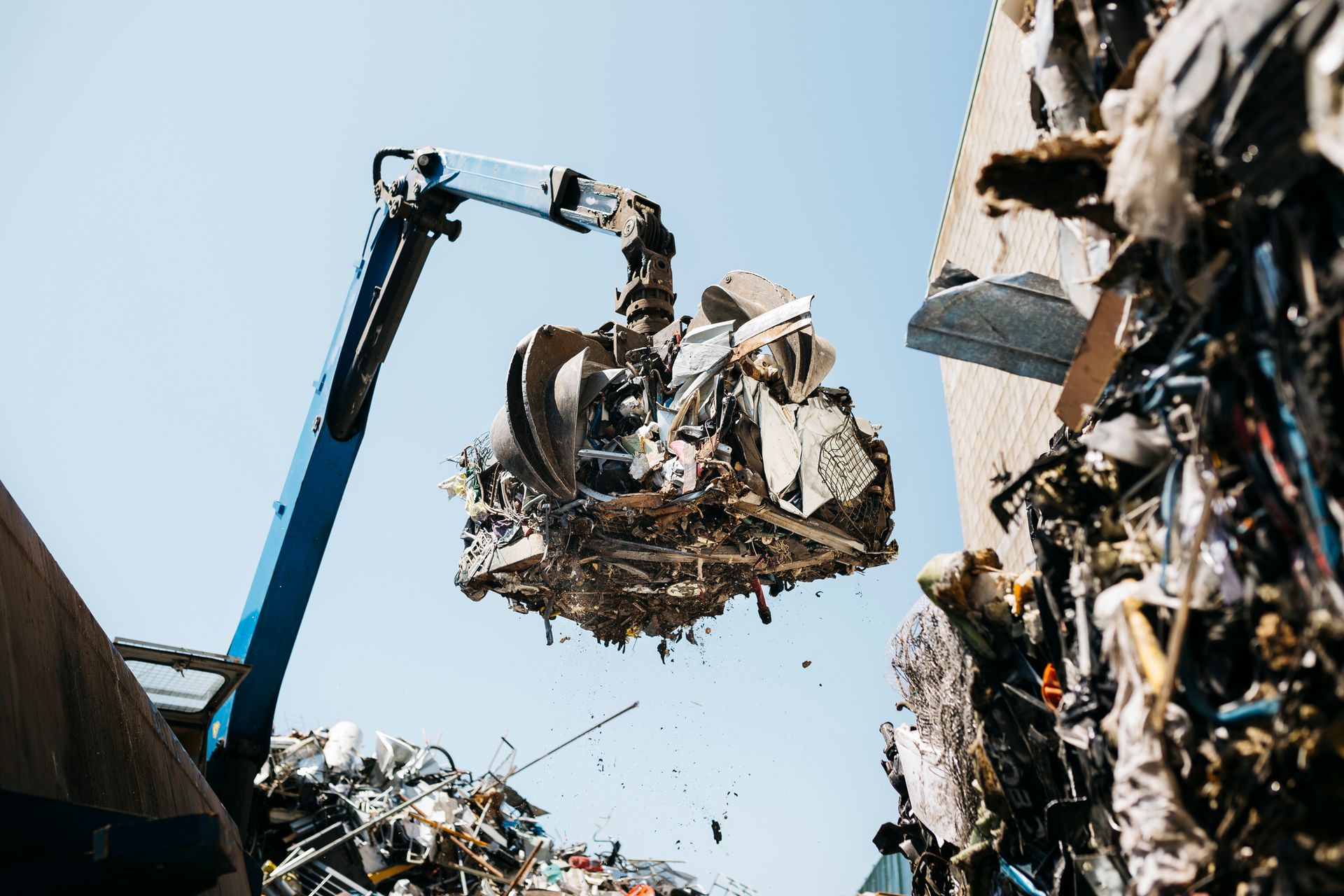
The Greater Dandenong precinct is one of the most active industrial corridors in south-east Melbourne. Factories producing steel offcuts, copper wiring, and aluminium extrusions sit alongside demolition contractors clearing ageing warehouses. Without a structured industrial scrap recycling plan, those materials become a liability rather than an asset.
What Types of Industrial Scrap Do Dandenong Manufacturers and Demolition Firms Generate?
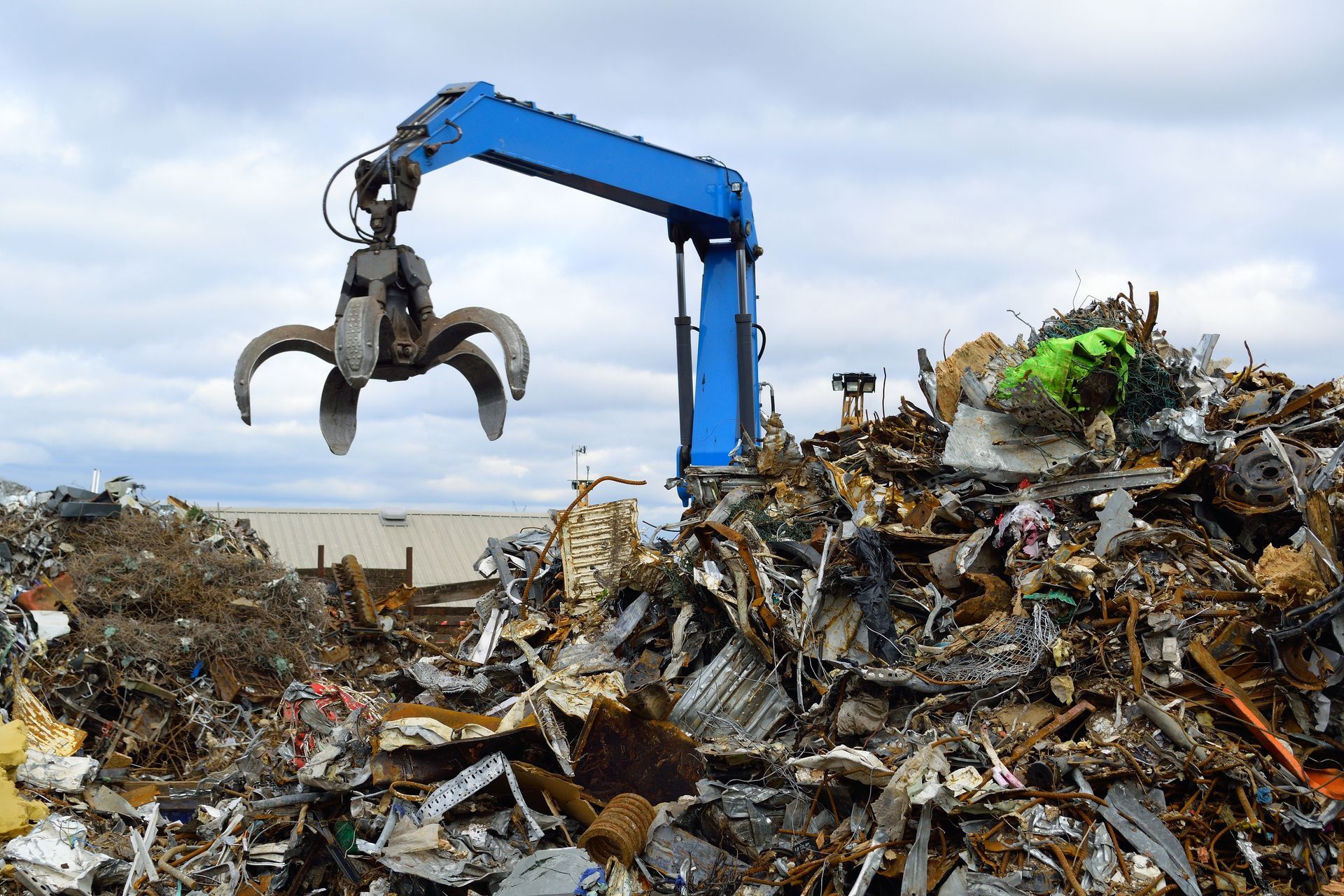
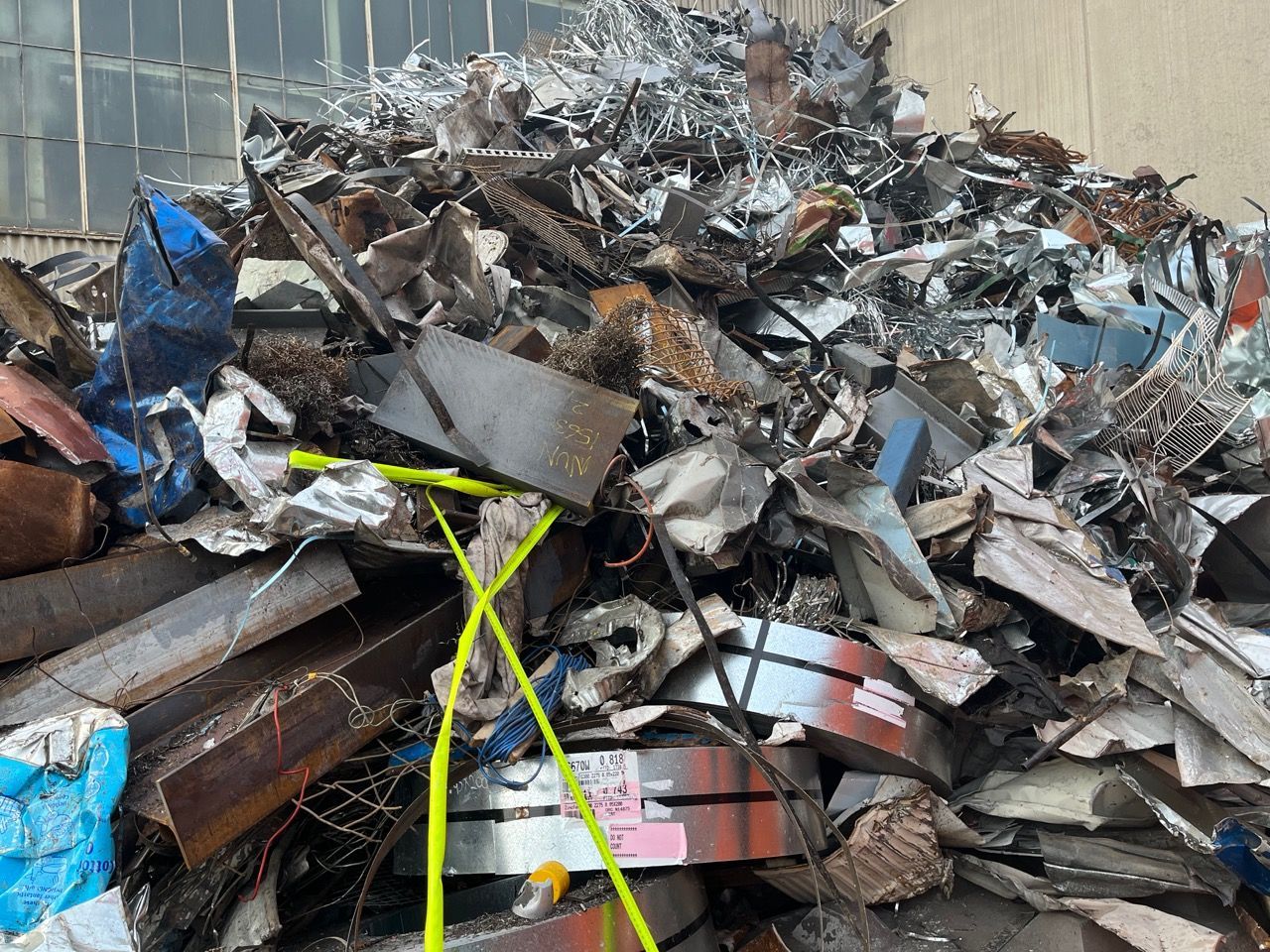
Dandenong's industrial estate produces a wide variety of recoverable metals. The precinct includes manufacturers working in automotive components, engineering, food processing, and logistics. Common scrap streams include steel offcuts and structural beams, copper wiring and pipe, aluminium extrusions and die-cast components, stainless steel benches and tanks, and demolition debris such as rebar, roofing iron, and steel cladding.
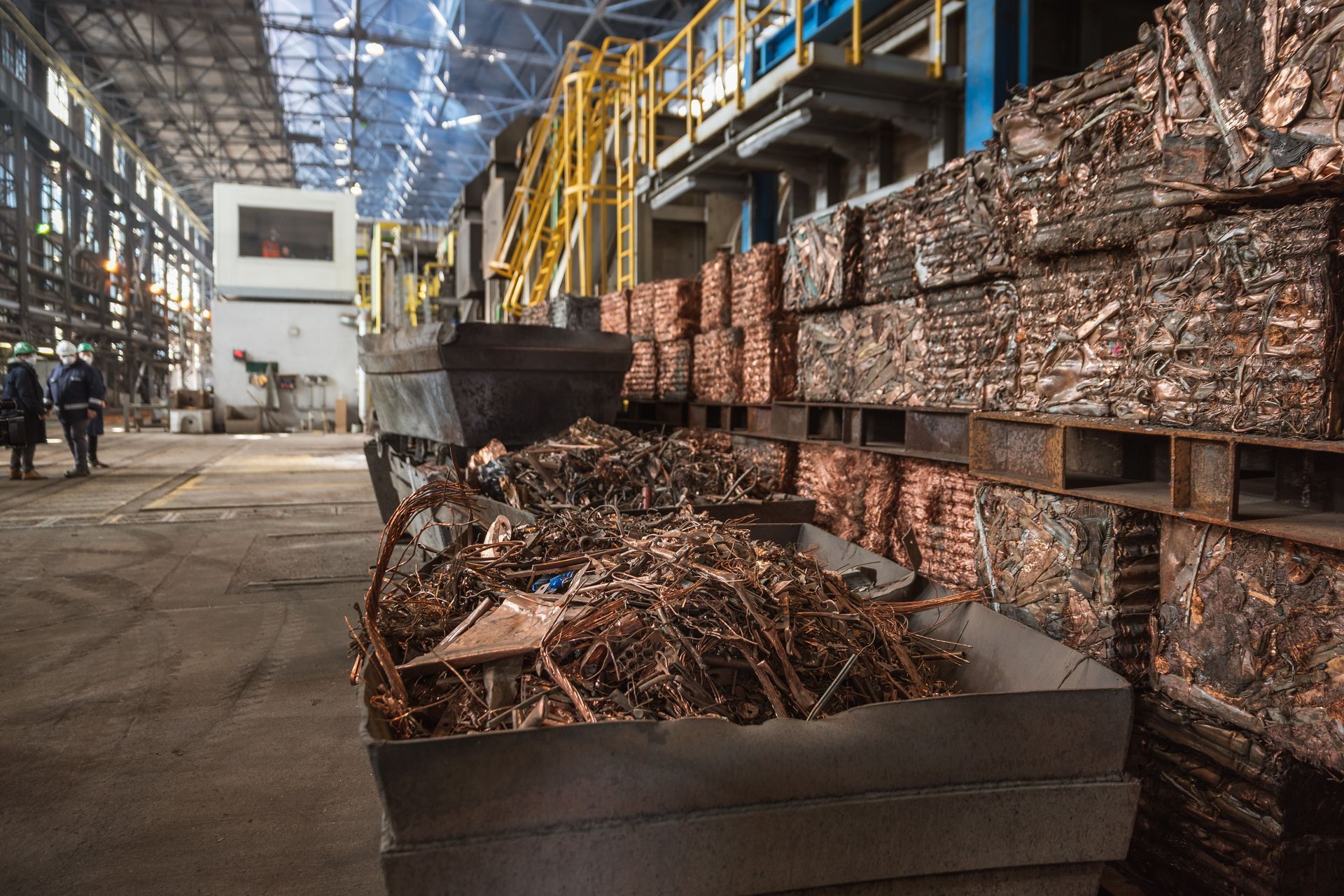
Each metal grade is purchased separately and valued by weight, so keeping streams segregated from the start can meaningfully improve returns. Mixed loads may attract lower prices or require more sorting before payment.
How Does the Bin Collection Model Work for Industrial Sites?
A scheduled bin service simplifies scrap handling for busy factory and demolition sites. Rather than organising ad-hoc runs to a scrap yard, an industrial site can have a bin placed on-site, filled during normal operations, and collected when full or on a regular schedule.
Bins of various sizes can be supplied to suit different volumes and site layouts. This is particularly practical for Dandenong South and surrounding suburbs such as Keysborough, Hallam, and Doveton, where large-format facilities may generate scrap continuously across shifts. A scheduled pickup model also supports site tidiness, workplace health and safety compliance, and waste reporting.
For non-ferrous metals such as copper or aluminium, no minimum weight is required for payment. For steel scrap, a minimum of one tonne is typically required, though smaller loads can still be dropped without tipping fees.
How Does Volume Affect What Your Business Earns from Scrap?
Bulk volumes tend to produce better returns. Clean, uncontaminated metal generally attracts better pricing than mixed or dirty loads. Manufacturers who separate copper wiring from insulation, or aluminium from steel fixings, often receive noticeably improved returns. Keeping separate bins for ferrous and non-ferrous materials is the simplest way to achieve this without disrupting workflow.
Scrap metal prices vary with global commodity markets and cannot be quoted in advance without inspection. Businesses are encouraged to contact a recycler directly for a current indication based on grade and volume.
VIC Compliance and the EPA's General Environmental Duty
Under the Environment Protection Act 2017 (Vic), businesses that generate waste carry a general environmental duty to ensure it goes to a licenced facility rather than being mishandled or illegally dumped. For metal scrap, this means ensuring your recycler is properly registered and operating within EPA Victoria requirements.
Payments for scrap metal in Victoria must be made by EFT or cheque, not cash, under regulations introduced to ensure financial traceability. Businesses selling industrial scrap must provide their ABN to the recycler; without it, a significant portion of the payment may be withheld and remitted to the ATO.
Keeping clear records of collections, including dates, weights, and the receiving facility, supports your compliance position. As of 1 July 2025, the Victorian EPA's waste levy applies to industrial waste disposed of at landfill, meaning that diverting scrap metal to a licensed recycler can directly reduce your waste costs.
The Dandenong South Context: Why Location Matters in 2026
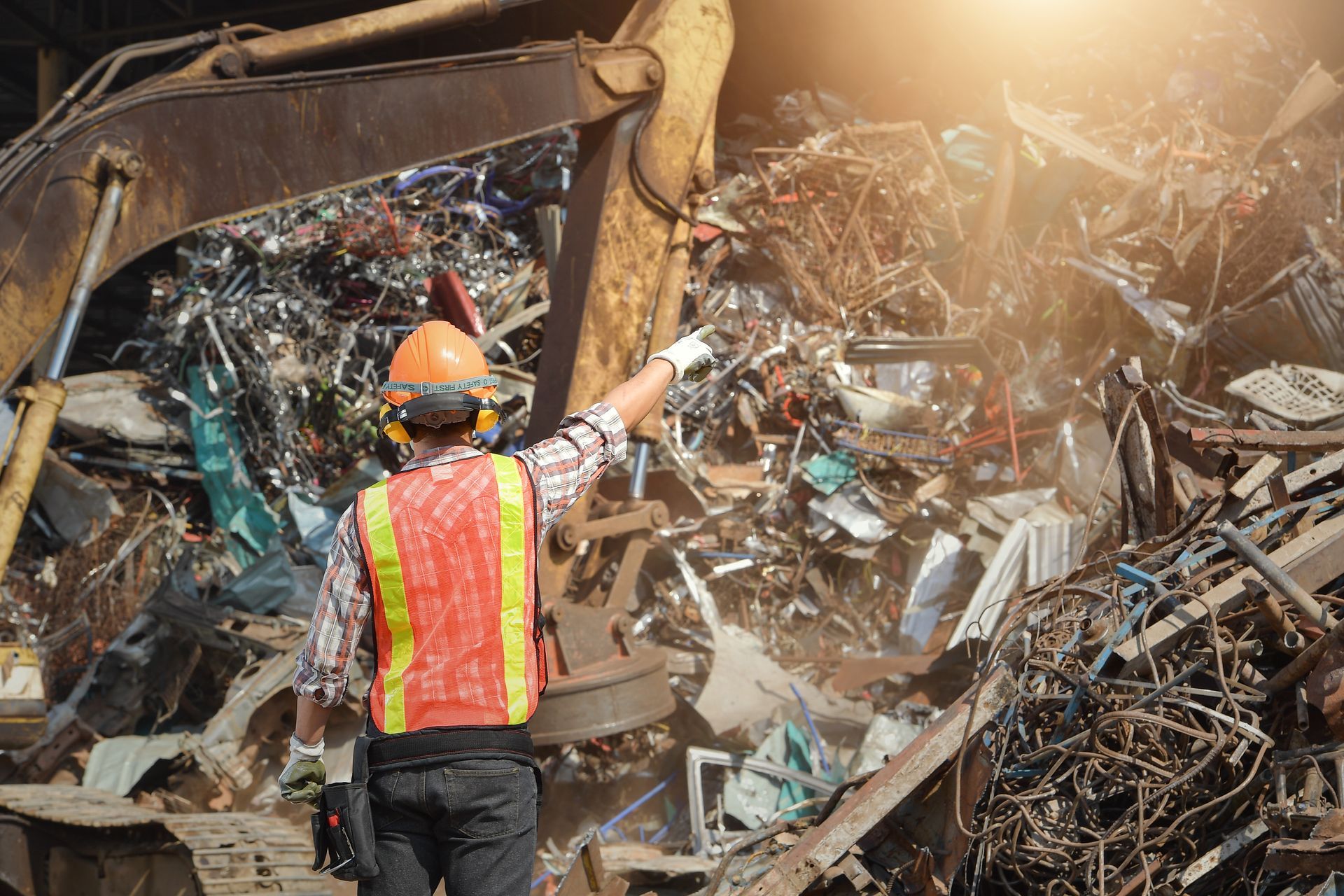
The Dandenong precinct, including Dandenong South, Keysborough, Doveton, and Hallam, hosts one of the largest concentrations of manufacturing operations in south-east Melbourne. Active urban renewal and demolition activity in central Dandenong in 2026 is generating additional volumes of recoverable steel and non-ferrous metals from building strip-outs and site clearances. Demolition firms can often offset a meaningful portion of operating costs by channelling recoverable metals through a structured industrial scrap recycling arrangement rather than treating all demolition debris as general waste.
Access to the Monash Freeway, Eastlink, and South Gippsland Highway makes transport logistics straightforward for sites across the south-east corridor.
What Should Industrial Clients Bring When Selling Scrap Metal?
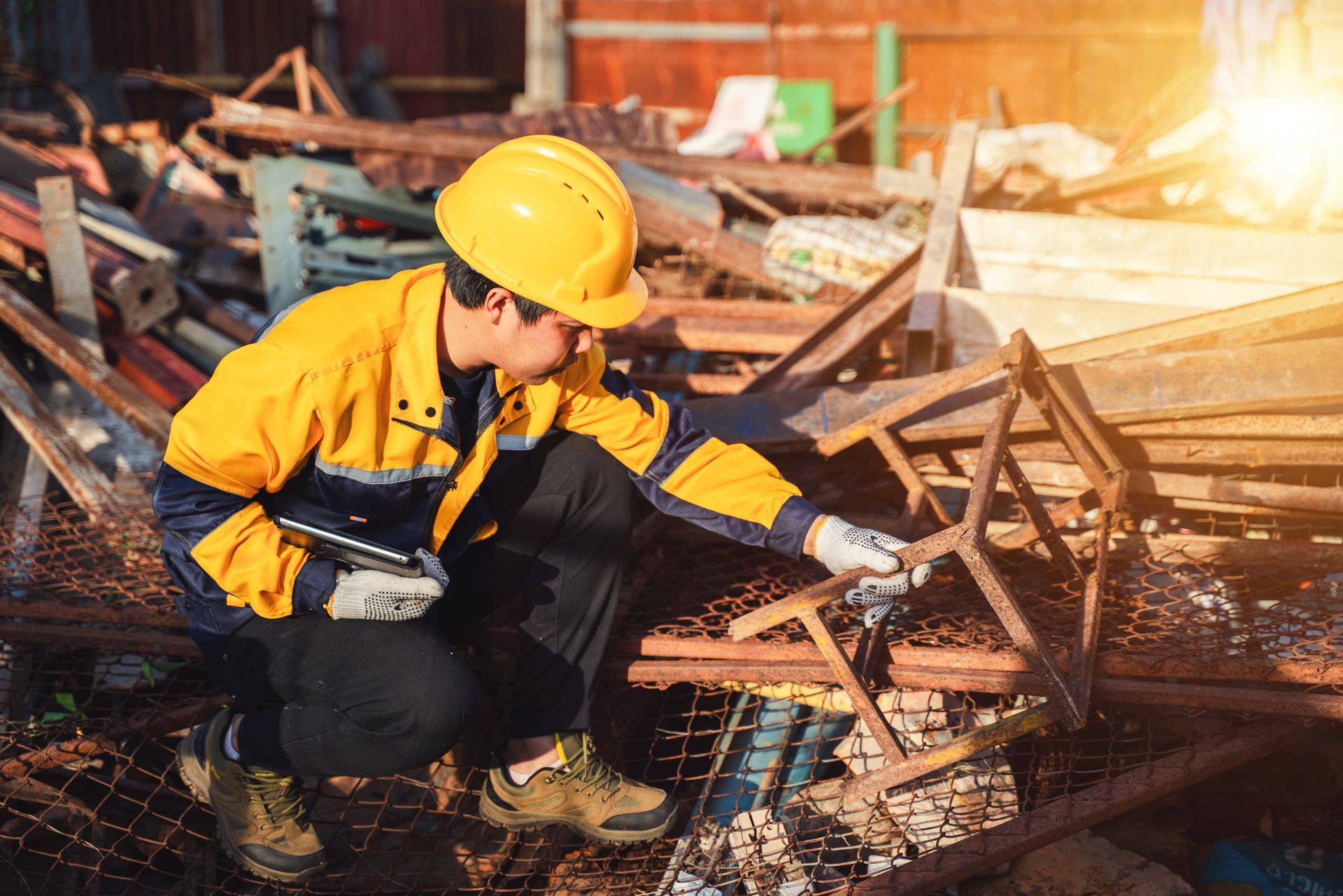
Businesses selling industrial scrap typically need valid photo ID and their ABN. Materials should be as clean and separated by grade as possible. Contaminated or mixed loads may be assessed at a lower rate or require pre-sorting.
Can a Recycler Collect Scrap Directly from an Industrial Site?
Yes. Licensed recyclers can organise collection directly from a factory or demolition site. The service may attract a fee depending on quantity and material type. For ongoing volumes, a bin placement and scheduled collection arrangement can be structured to suit the site's operational rhythm.
Start Reducing Waste Costs Today
Industrial scrap recycling serving Dandenong manufacturers and demolition firms offers a practical way to turn an ongoing cost into a manageable, and sometimes profitable, part of operations. JK Recycling has been working with industrial clients across Melbourne's south-east for over 40 years, supplying bins, collecting scrap, and paying competitive rates for ferrous and non-ferrous metals including steel, copper, aluminium, brass, and stainless steel.
Visit the industrial services page to learn more about bin supply and collection options, or get in touch to discuss your site's requirements. Call (03) 9543 4751 to speak with the team, or find JK Recycling on Google Maps for directions to the Oakleigh South yard.